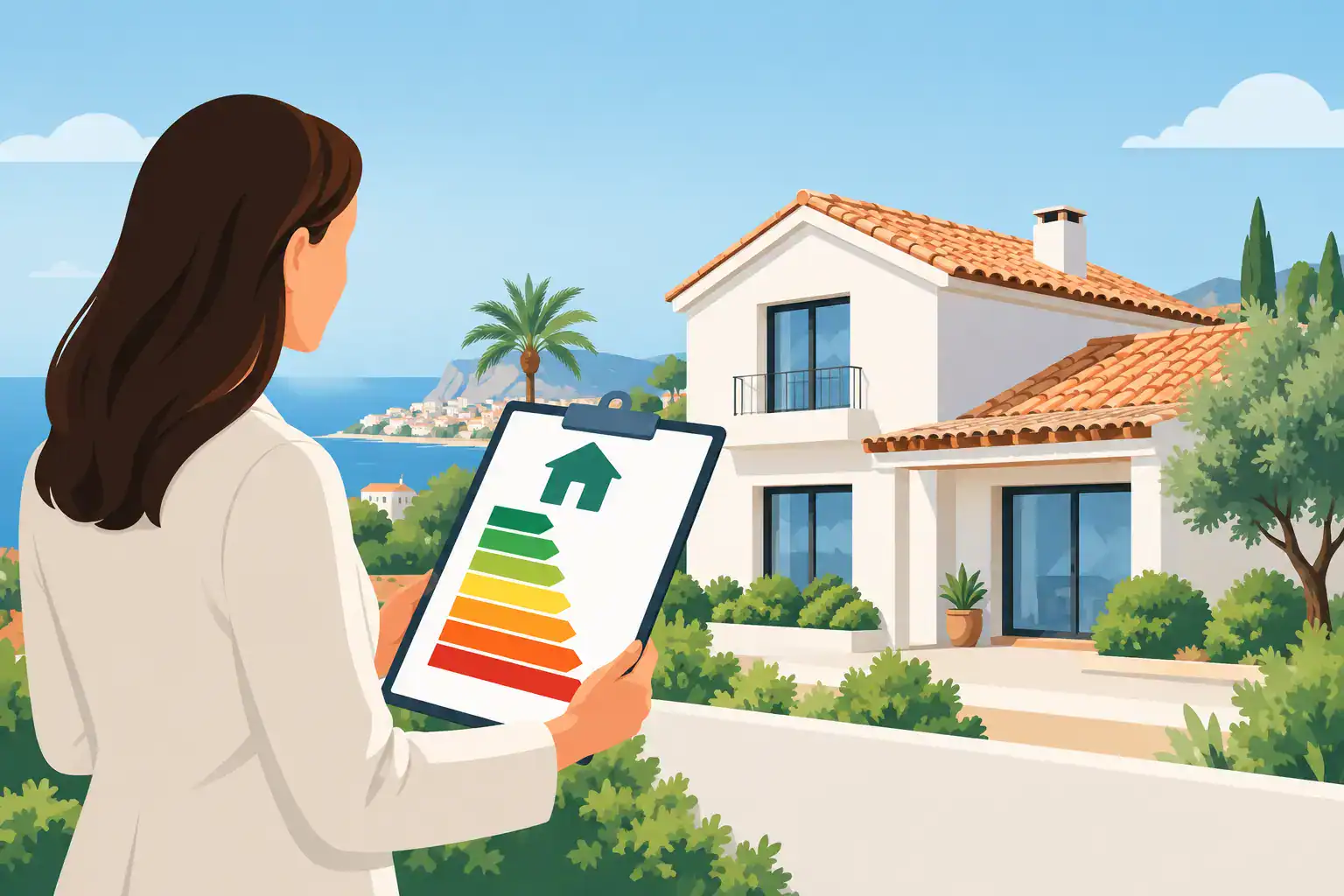

You can buy remotely in Valencia, including without being present for every viewing, contract or even completion. But distance does not reduce the risks of a Spanish property purchase. It changes the way those risks must be managed. A beautiful video tour, an enthusiastic selling agent and a low reservation fee are not a substitute for independent legal checks, a clear negotiation strategy and someone local who is accountable to you.
For international buyers, remote purchasing can be an efficient route to a home in Valencia or a new-build property on the Costa Blanca. It can also become expensive if decisions are made from a screen before the property, paperwork and development are properly examined. The difference lies in the process and, crucially, who is representing your interests.
Can You Buy Remotely in Spain Without Visiting?
Legally, yes. There is no general requirement for a buyer to attend each stage in person. Many overseas buyers complete purchases using a carefully drafted power of attorney, which allows a trusted legal representative to carry out defined actions on their behalf. Depending on the circumstances, this can include obtaining a Spanish tax identification number, opening or managing the purchase funds process, signing documentation and attending the notarial deed transfer.
That does not mean you should be absent from the decision-making. The best remote purchases separate physical attendance from buyer control. You should still approve the property, the offer, the contractual terms, significant costs and the final decision to proceed. A professional team should make those decisions easier by giving you evidence, not simply reassurance.
Some buyers choose to make one focused trip before committing, particularly when purchasing an older home, an unfamiliar area or a property intended for relocation. Others have already spent time in Valencia and are comfortable progressing remotely once the right opportunity appears. Neither approach is automatically better. What matters is whether the level of investigation matches the property and your plans for it.
What Must Be Checked Before You Commit
In Spain, a property can look entirely straightforward while carrying issues that are invisible in listing photographs. This is why remote buyers need a process that goes beyond a virtual viewing.
First, the property itself needs independent assessment. A local buyer representative can inspect the home in person, test the practical details that footage often misses and report candidly on condition, light, street noise, access, surrounding buildings, storage, damp, layout and likely works. For older properties, an architect or technical professional may be appropriate where there are concerns about alterations, structural condition or renovation potential.
Second, the legal position must be verified before money is committed beyond the point your adviser considers safe. Your lawyer should investigate ownership, charges, mortgages, embargoes, registered rights, community matters and whether the seller has the authority to sell. They should also review the cadastral and registry information, required occupancy documentation where applicable, local tax position and any issues affecting the property’s intended use.
Third, urban-planning due diligence deserves real attention. A terrace enclosed years ago, a changed internal layout or an extension that appears harmless can create problems if it was not authorised correctly. This is particularly relevant for houses, rural properties and homes where renovation is part of the appeal. If your plan is to rent, extend, reform or use the home in a particular way, confirm feasibility before treating that plan as part of the property’s value.
A remote buyer should not be asked to accept vague answers such as “it has always been like that”. Your representative should identify the question, obtain the available evidence and explain the remaining risk in plain language.
Video Viewings Are Useful, Not Conclusive
A live video viewing is valuable when it is led by someone working for you. It allows you to ask for the camera to pause on details, look out of windows, inspect communal areas and walk the route from the front door to nearby amenities. It is far more informative than a polished pre-recorded tour.
Still, video cannot confirm everything. It may not reveal poor sound insulation, odours, humidity after rain, awkward parking, difficult stair access or a planned construction site nearby. Ask for an honest assessment of what can be observed, what cannot, and whether a further specialist inspection is sensible. Caution is not pessimism. It is how a remote purchase stays under your control.
How a Remote Purchase Usually Works
The process begins with a detailed brief, not a broad search for “something nice in Valencia”. Your budget should account for purchase taxes, notary and registry costs, legal fees, buyer representation and any immediate works or furnishing. You should also define location priorities, whether you need a lift, outdoor space, proximity to schools or transport, and the compromise you will not make.
Once suitable options are found, your buyer-side adviser can filter listings, make initial enquiries and arrange in-person or live video viewings. This matters in a market where an agent introducing a property is commonly working for the seller. Their role is to sell the property, not to protect your negotiating position or investigate whether it suits your future plans.
When you identify a property, the offer should be based on evidence: condition, comparable local stock, demand, required works, seller circumstances and the legal position known at that stage. The strongest offer is not always the highest one. It is one that is credible, properly structured and does not expose you to avoidable commitments.
If accepted, the reservation agreement or arras contract needs close attention. These documents can have serious financial consequences. A standard deposit arrangement may mean the buyer loses the deposit if they withdraw, while the seller may owe double if they fail to complete. The wording, deadlines, conditions and payment route should be reviewed before signature. Never assume a document is harmless because it is described as standard.
Your lawyer then completes the required checks and prepares for completion. If you are not attending the notary, the power of attorney must be arranged in the correct form and with enough time for any apostille, translation or local formalities. Your advisers should also explain how funds will be held and transferred, what identification and anti-money-laundering documents are required, and which costs will be due before completion.
At the notary, the deed is signed, payment is made and possession is transferred according to the agreed terms. The work does not stop there. Registration, taxes, utilities, insurance, community administration and keys all need managing. For a buyer abroad, this final stage is where practical support is often just as valuable as the legal paperwork.
New-Build Homes Need a Different Level of Scrutiny
Buying off-plan remotely can be attractive. You may secure a modern home, choose finishes and spread payments across construction milestones. Yet you are buying from plans, specifications and promises rather than a finished building, so the contract must do more protective work.
Before reserving, verify the developer, land position, building licence, bank guarantees or insurance for stage payments, planned completion date, specifications, permitted variations and consequences of delay. Confirm what is included in the price and what is merely shown in marketing imagery. Parking, storage, appliances, landscaping and communal facilities should be clearly documented, not left to assumption.
A professional pre-handover inspection is also wise. Snagging issues are easier to record and pursue before you take possession than after furniture arrives and the developer’s team moves on to the next phase.
The Remote-Buying Mistakes That Cost Most
The biggest mistake is treating a selling agent as an independent adviser. They may be helpful and professional, but their commercial duty is not the same as a buyer representative’s duty. Clear representation prevents confused expectations.
Another is paying a reservation deposit before the legal implications are understood. Speed matters in competitive areas, but pressure is not a reason to sign documents you cannot read or evaluate. A capable local team can move quickly while still protecting the essentials.
Buyers also underestimate practical issues. A flat may be legally sound but unsuitable for your life because the street becomes noisy at night, the building has no lift, the renovation budget is unrealistic or the commute is less convenient than it appears on a map. Your brief should be tested against the reality of the property, not only its asking price.
Finally, do not confuse remote buying with hands-off buying. You remain the decision-maker. The aim is to replace unnecessary travel and uncertainty with reliable reporting, documented checks and clear approval points.
For buyers who want Valencia to become a home rather than a complicated overseas project, the right local support makes distance manageable. HelloHome Valencia acts exclusively for buyers, bringing property search, due diligence, negotiation and completion support into one accountable process. The goal is not to persuade you to buy quickly. It is to help you buy with the confidence that the property, the paperwork and the decision have all been properly tested.